
Hormone-Friendly Habits Every Woman in Her 30s Should Know
Noticing changes in your cycle, mood, or energy in your 30s? Learn what's really happening with your hormones and discover simple, doctor-backed habits — from sleep to stress management — that support hormone balance naturally.
HEALTHY LIVING
6/25/20264 min read

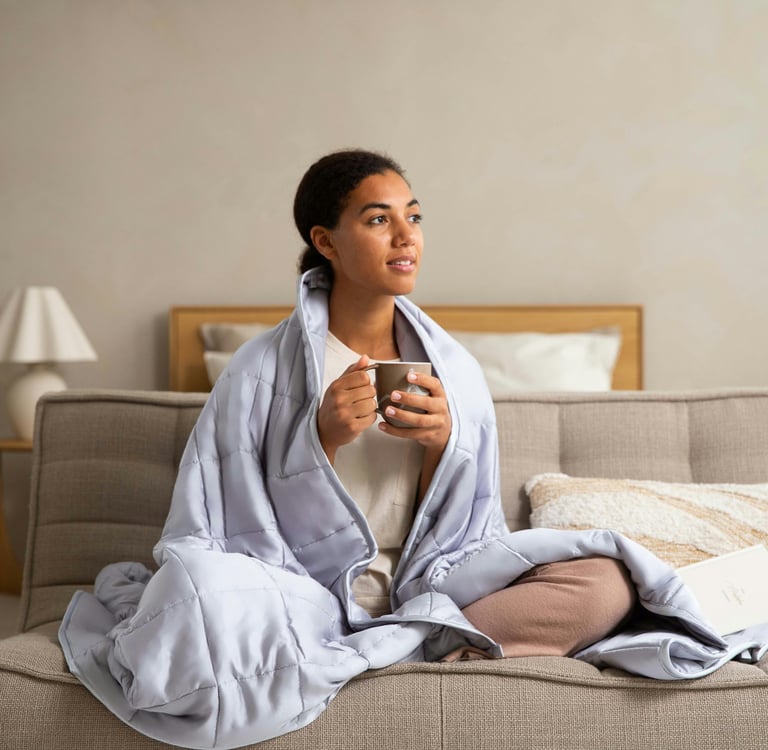
Somewhere in your 30s, your body starts doing things it never used to do.
Maybe your period shows up four days early one month and a week late the next. Maybe you cry at a commercial for absolutely no reason, or you're suddenly exhausted by 2pm even though you slept fine. Maybe your skin is breaking out in places it hasn't since you were a teenager, and you have no idea why.
If you've quietly wondered, "is this normal, or is something actually changing in my body?" — here's the honest answer: it's probably both. Something is changing. And yes, it's normal.
Let's talk about what's actually going on with your hormones in your 30s, and the small, doable habits that can help you feel steadier through it.
Why your 30s feel different, hormonally speaking
Here's something most of us never learn until we're living it: your hormones don't stay on the same settings forever. According to ACOG, estrogen produced by the ovaries begins to fluctuate as early as your 30s, and those fluctuations are behind a lot of what you might be noticing. Texas Health
A few specifics worth knowing:
Perimenopause can start earlier than you think. Most people assume perimenopause — the transition phase before menopause — is a "40s and beyond" thing. But it can begin as early as your mid-30s for some women, even though it more commonly starts later. A common early sign is a change in your menstrual cycle — it might run longer or shorter than what's typical for you. Cleveland ClinicACOG
Mood shifts are real, not "just stress." About 4 in 10 women experience mood symptoms similar to PMS during this transition, including irritability, low energy, and trouble concentrating. If you've felt more reactive than usual and assumed it was a personality problem, it might just be chemistry. Texas Health
Your thyroid deserves a look too. Thyroid issues are sneaky because the symptoms — fatigue, weight changes, mood shifts, dry skin — overlap with about a dozen other things. About 1 in 8 women will experience a thyroid condition at some point in her life, and women going through hormonal transitions are especially prone to it. If lifestyle changes aren't moving the needle on how you feel, this is worth raising with your doctor. Mayo Clinic News Network
None of this means something is wrong with you. It means your body is doing exactly what bodies do — just maybe a little earlier or more noticeably than you expected.
What you don't need to do
Before the habit list, a quick myth-bust: you do not need a $200 supplement stack, a "hormone detox," or to swear off entire food groups to support your hormones. Most of what genuinely helps is unglamorous, free, and a little boring. That's actually good news — it means it's accessible.
Habits that actually support hormone balance
1. Protect your sleep like it's non-negotiable
Your hormones are produced and regulated in cycles tied closely to sleep. Cortisol, melatonin, and even reproductive hormones follow a rhythm that gets thrown off by inconsistent sleep. Aim for a consistent wake-up time, even on weekends — that one habit alone does more for your hormonal rhythm than almost anything else on this list.
2. Eat enough, and don't fear carbs
Chronic under-eating or very low-carb diets can mess with the signals your brain sends to your ovaries (this is part of why some women notice irregular cycles when they diet aggressively). Your body needs consistent fuel, especially enough carbohydrates and fat, to keep hormone production running smoothly. This isn't permission to ignore nutrition — it's permission to stop being afraid of a balanced plate.
3. Strength train a couple times a week
Resistance training supports insulin sensitivity and helps regulate cortisol over time. You don't need an hour at the gym — two or three sessions a week with bodyweight or light weights makes a real difference, and it compounds over years, not days.
4. Get a handle on chronic stress, not just acute stress
One stressful day won't throw your hormones off. Months or years of unmanaged stress can. Cortisol and your reproductive hormones are closely linked — when your body thinks it's constantly under threat, it deprioritizes things like a regular cycle. This is exactly why the small nervous system resets we've talked about before (long exhales, movement, real rest) aren't just "self-care fluff" — they're hormone support, too.
5. Track your cycle, even loosely
You don't need a fancy app or to obsess over it. Just jotting down when your period starts each month, plus any patterns you notice (mood, energy, skin, sleep), gives you real data. If something does feel off, you'll be able to tell your doctor exactly what's changed instead of a vague "I just don't feel right."
6. Limit alcohol, especially close to your cycle
Alcohol affects how your liver processes hormones, particularly estrogen. You don't have to cut it out completely — just be mindful, especially in the days leading up to your period, when some women are more sensitive to its effects on mood and sleep.
7. Don't ignore symptoms that feel "too disruptive to be normal"
Some discomfort during hormonal shifts is expected. Debilitating pain, extremely heavy bleeding, or symptoms that are interfering with your daily life are not something to just push through. If symptoms are affecting your quality of life, that's reason enough to start a conversation with your OB-GYN or primary care provider — you don't need to wait for things to get unbearable first. Texas Health
A gentle reality check
Your 30s are not the decade your body "starts failing you." They're the decade your hormones start being a little more honest about what they need. That's actually a kind of gift, if you let it be — it's your body asking for more consistency, more rest, more attention, before things ever become urgent.
You don't need to fix everything on this list at once. Pick one habit. Maybe it's protecting your sleep this week, or finally tracking your cycle in a notes app. Small, steady changes are what actually shift things here — not drastic overhauls.
And if something feels persistently off, trust that instinct enough to bring it to your doctor. You know your body better than anyone, and you don't need permission to take that seriously.
This article is for educational purposes and isn't a substitute for medical advice. If you're experiencing symptoms that concern you, please talk to your doctor or OB-GYN.




Connect
Stay in touch for fresh lifestyle tips
Links
unlock@bylifestyleunlocked.com
© 2025. All rights reserved.