
How to Build a Self-Care Kit for Anxious Days (That Actually Works)
Learn how to build a self-care kit for anxiety using five science-backed categories — not just a list of things to buy. A calmer day starts before the hard moment hits.
HEALTHY LIVING
6/26/20264 min read
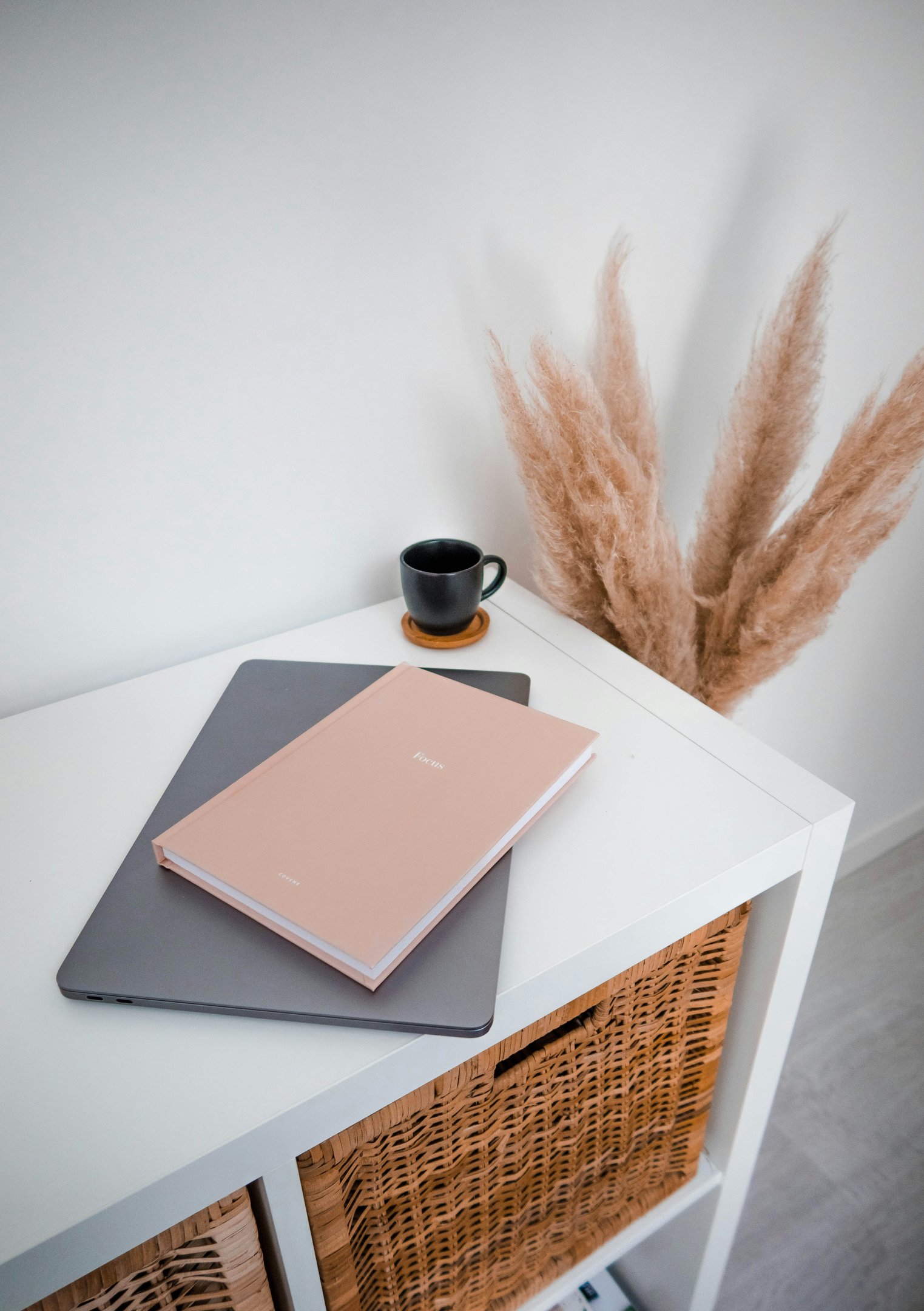
How to Build a Capsule Self-Care Kit for Anxious Days
You know the feeling: anxiety shows up, and suddenly you're standing in your kitchen at 11pm scrolling "things to do when anxious" while your brain runs through every worst-case scenario it can find. In that moment, the last thing you have the bandwidth for is figuring out what might help.
That's the actual problem with most self-care advice — it asks you to make decisions when decision-making is exactly what anxiety makes hard. A capsule self-care kit solves this by moving the thinking to a calm moment, so that on a hard day, all you have to do is reach for it.
This isn't about buying a bunch of candles and calling it self-care. It's about understanding why certain things help your nervous system settle, so you can build a small, intentional set of tools that actually work for you — not a generic list someone else put together.
Why a "Kit" Works Better Than a Vague Intention
When you're anxious, your brain is in a heightened, vigilant state — primed to scan for threats rather than make calm, deliberate choices. This is partly why "just relax" or "try meditating" can feel almost insulting in the moment. You're not being stubborn; your nervous system is doing exactly what it evolved to do, just at the wrong time.
A pre-built kit removes the need for decision-making entirely. Instead of asking "what do I do now?" — a question anxiety makes genuinely hard to answer — you're just following a plan your calmer self already made. That's the whole point: you're not relying on willpower or clarity in the moment you have the least of both.
The most effective kits pull from a few different categories, because anxiety doesn't show up the same way every time, and what helps depends partly on how it's showing up.
The Five Categories Worth Having on Hand
1. Grounding (For When Your Thoughts Are Spiraling)
Grounding techniques work by redirecting attention away from racing thoughts and toward the present, physical moment. This is the category for when anxiety feels like it's happening entirely in your head — looping thoughts, "what if" spirals, that sense of being stuck several steps ahead of yourself.
What to include: something textured to focus on (a smooth stone, a piece of fabric with interesting texture), a simple printed grounding exercise (like the classic 5-4-3-2-1 senses technique), or a short list of present-moment questions written on a card.
2. Sensory Regulation (For When You Feel Overstimulated or Wired)
Sometimes anxiety shows up as a body thing before it's a thought thing — restlessness, a racing heart, that wired-but-exhausted feeling. Sensory tools work by giving your nervous system a different, more manageable input to focus on, which can help interrupt the physical loop of anxiety.
What to include: something with deep, even pressure (a weighted item), something to hold or fidget with, or a scent you find calming. The specific item matters less than whether it gives you a steady, predictable sensation to anchor to.
3. Comfort (For When You Just Need to Feel Safe)
Not every anxious moment needs a technique — sometimes what helps most is simply feeling cared for, even if it's you doing the caring. This category isn't about "fixing" the anxiety; it's about making the experience of having it less lonely and less harsh.
What to include: a favorite soft item (a blanket, an old sweatshirt), a comfort object with personal meaning, or even a specific photo or note that reminds you of safety.
4. Distraction With a Purpose (For When You Need a Mental Off-Ramp)
Distraction gets a bad reputation in self-care conversations, but there's a real difference between avoiding a feeling indefinitely and giving your mind a brief, intentional break so you're not stuck in the spiral. A short, absorbing distraction can lower the intensity enough that you can come back to the situation with more capacity.
What to include: something simple and absorbing that doesn't require much decision-making — a familiar puzzle, a short repetitive task, or a go-to comfort show you don't have to think about.
5. Release (For When the Anxiety Needs Somewhere to Go)
Sometimes anxiety is energy that needs an outlet, not just a thought pattern that needs interrupting. This category is about giving that energy somewhere physical to go, rather than letting it sit and build.
What to include: a notebook for unfiltered, no-pressure writing, or something physical like a resistance band for a quick burst of movement.
How to Actually Build Yours
You don't need something from every category — you need to know which categories you respond to. A few ways to figure that out:
Notice your pattern. Think back to the last few times you felt anxious. Was it more racing thoughts, physical restlessness, or a need to feel safe? That tells you which categories to prioritize.
Start small. Two or three items is plenty to start. You can always add to it once you know what you reach for.
Keep it accessible. A kit that's stored somewhere inconvenient won't get used on the day you actually need it. Keep it somewhere you'll see it.
Revisit it occasionally. What helps can shift over time, especially as you get to know your own patterns better.
The Point Isn't the Stuff
It's worth saying clearly: the goal here isn't to accumulate things. It's to remove friction on a day when friction is the last thing you can handle. The most well-thought-out kit in the world won't help if it's not actually matched to how your anxiety tends to show up — so the noticing matters more than the assembling.
Once you've got a sense of what actually works for you, it gets a lot easier to know what's worth keeping around versus what just sounded good in theory.
Connect
Stay in touch for fresh lifestyle tips
Links
unlock@bylifestyleunlocked.com
© 2025. All rights reserved.