What Is Nervous System Regulation? A Gentle Beginner's Guide
Feeling wired but tired? Learn what nervous system regulation actually means, why everyone's talking about it, and 6 gentle ways to start today.
HEALTHY LIVING
7/10/20265 min read
Have you ever climbed into bed completely exhausted... and then stared at the ceiling for two hours, heart quietly racing, brain replaying a conversation from 2019?
That "wired but tired" feeling has a name, and it's the reason the phrase nervous system regulation is suddenly everywhere — on your feed, in your group chats, probably on a podcast you half-listened to while folding laundry. And unlike a lot of wellness buzzwords, this one is actually worth understanding.
So let's slow down and unpack it together — no jargon, no 17-step protocols, no pressure to buy a single thing. Just a gentle explanation of what's happening in your body, and a few small ways to help it feel safe again.
First, what even is your nervous system doing all day?
Think of your nervous system as your body's built-in security team. It's constantly scanning your environment and asking one question: Am I safe right now?
It has two main modes:
Fight-or-flight (the sympathetic state). This is your body's alarm system. When it senses a threat, it floods you with stress hormones like cortisol, speeds up your heart, sharpens your focus, and gets you ready to act. This is a good thing — it's what helps you slam the brakes when a car cuts you off.
Rest-and-digest (the parasympathetic state). This is your body's exhale. Heart rate slows, digestion works properly, your mind can wander and daydream, sleep comes easily. This is where healing, rest, and repair actually happen.
A healthy nervous system moves between these two states fluidly, like a wave. Stress rises, stress falls. Alarm, then all-clear.
The problem? Modern life rarely sends the all-clear.
What "dysregulation" actually means
Your alarm system was designed for short bursts — outrun the danger, then rest by the fire. It was not designed for a group chat that never stops, a news cycle that never sleeps, an inbox that refills itself, and a mental load that follows you into the shower.
When stress is constant and low-grade, your body can get stuck with the alarm partially on, all the time. That stuck state is what people mean by a dysregulated nervous system.
And here's the part that surprises most women: it rarely feels like "stress." It feels like:
Being exhausted all day but wide awake at 11 p.m.
Snapping at people you love over tiny things, then feeling guilty about it
A stomach that's always a little off
Doom-scrolling even though it makes you feel worse
Feeling weirdly flat — not sad exactly, just... numb and unmotivated
Jumping at small sounds, or feeling your heart race for no clear reason
Sound familiar? You're not broken, and you're definitely not alone. Your body is doing exactly what it was designed to do — it just never got the message that it's safe to stand down.
A quick, important note: these symptoms can overlap with medical conditions like thyroid issues, anemia, anxiety disorders, and more. This post is about everyday stress support, not a diagnosis — if something feels persistently wrong, please talk to your doctor. You deserve real answers.
So what is nervous system regulation?
Here's the definition I wish someone had given me sooner:
Nervous system regulation isn't being calm all the time. It's your body's ability to get stressed and then recover — to come back to baseline instead of staying stuck in alarm mode.
Read that again, because it takes so much pressure off. The goal is not to become a perfectly serene person who never feels anxious. (She doesn't exist. I've checked.) The goal is flexibility — a body that can rise to meet a hard moment and then genuinely let it go.
The good news: this is a skill. Your nervous system is trainable, the same way a muscle is. Small, repeated signals of safety teach your body that it's okay to soften.
Meet your vagus nerve (the off-switch you already own)
If you've heard the term "vagus nerve" floating around, here's the simple version: it's the main communication highway between your brain and your body, and it's the biggest player in your rest-and-digest system. When it's activated, it acts like a brake — slowing your heart, calming your gut, telling your whole system we're safe.
The lovely thing is that you can activate it on purpose, for free, using things you already do:
Long, slow exhales. Your exhale is directly wired to your calming system. Breathing in for 4 counts and out for 6–8 is one of the fastest ways to signal safety.
Humming and singing. The vagus nerve runs right past your vocal cords. Humming along to a song in the car genuinely counts as nervous system care.
Cool water on your face. A splash of cool water or a cool washcloth on your cheeks and neck taps into a natural calming reflex.
Gentle pressure and warmth. A heavy blanket, a hand on your chest, a warm bath — touch is one of the oldest safety signals there is.
None of these are dramatic. That's the point. Your nervous system doesn't respond to grand gestures; it responds to small, repeated proof that it can relax.
6 gentle ways to start regulating (no overhaul required)
If you take one thing from this post, let it be this: start embarrassingly small. A dysregulated nervous system is often caused by pressure and overwhelm — so a 40-step healing protocol is just more of the same problem in a prettier font.
Here's what actually works, in real life, for real schedules:
1. The physiological sigh. Two quick inhales through your nose, then one long slow exhale through your mouth. It's the fastest researched way to down-shift in the moment. Use it in traffic, before a hard conversation, or mid-scroll when you notice your shoulders near your ears.
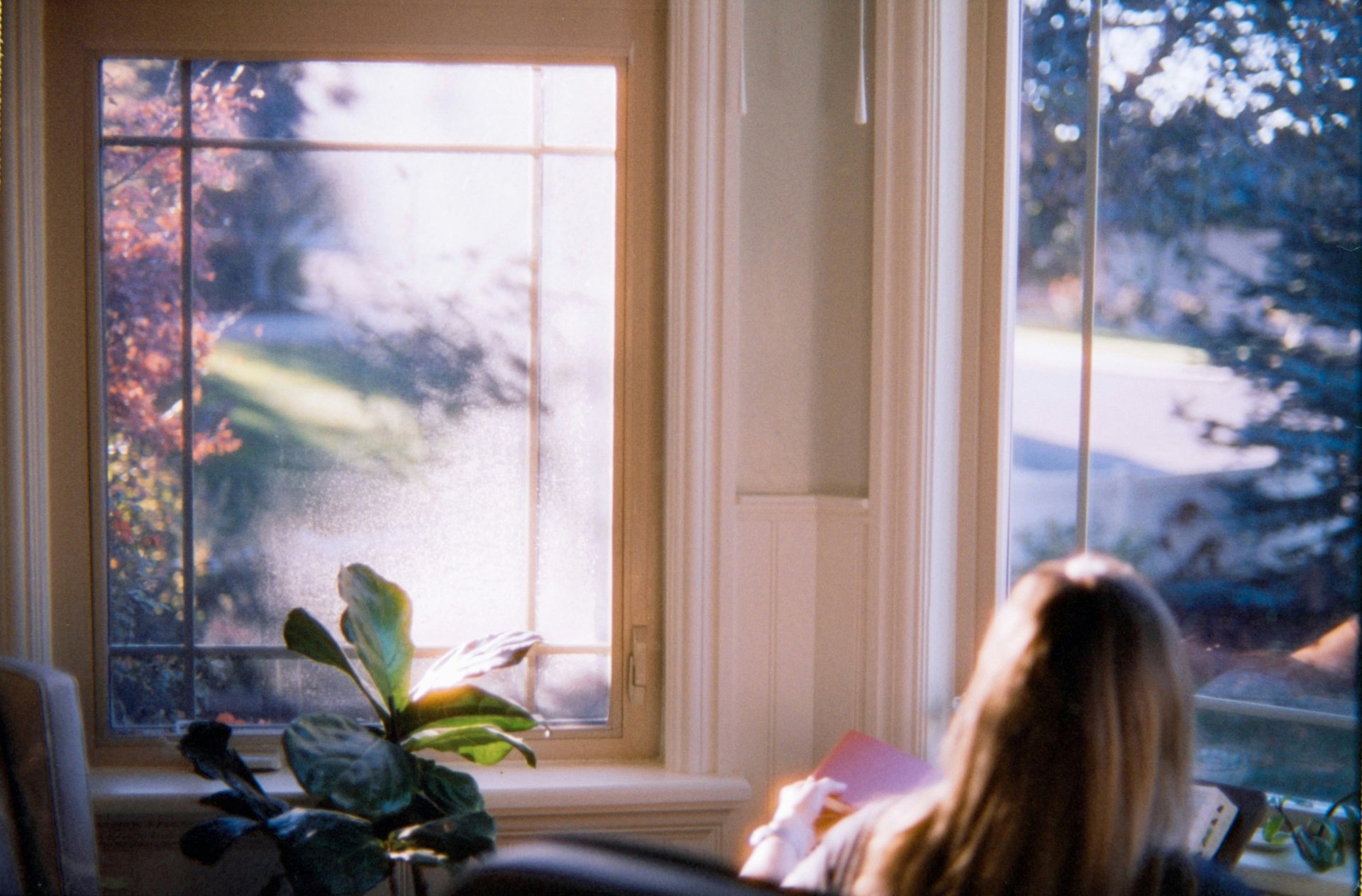
2. Morning light before morning screens. Even two minutes by a bright window (coffee in hand, obviously) helps anchor your cortisol rhythm so it rises and falls when it's supposed to — instead of spiking at midnight.
3. A "transition ritual" between roles. Your body needs a cue that work is over. It can be tiny: changing clothes, a short walk around the block, lighting a candle, playing one specific song. The ritual itself matters less than the repetition.
4. Move the stress through. Stress hormones are meant to be used. A brisk walk, dancing badly in your kitchen, stretching on the floor while your dinner cooks — gentle movement tells your body the "threat" has been dealt with.
5. Protect one slow evening pocket. Not a whole perfect night — just 20 screen-free minutes before bed. Dim the lights, do something with your hands, let your brain be a little bored. Boredom, it turns out, is a luxury your nervous system loves.
6. Notice, don't judge. The foundation of all of this is simply catching yourself: oh, my jaw is clenched. My breath is shallow. I'm in alarm mode. Awareness without self-criticism is regulation beginning. You can't soften what you haven't noticed.
What regulation is not (a loving reality check)
Because the internet will try to sell you a complicated version of this, let's be clear:
It's not a product you can buy (though some tools can support it)
It's not about eliminating stress from your life — that's impossible and honestly not even the goal
It's not something you can fail at
It's not a replacement for therapy or medical care when you need them
And it's not another performance. If your "nervous system routine" is stressing you out, it's not regulating anything.
Start here, start soft
If this post found you in a wired-but-tired season, here's your permission slip: you don't need to fix everything. Pick one thing — the long exhale, the morning light, the 20-minute slow evening — and do it imperfectly for a week. That's it.
Your nervous system has been trying to protect you this whole time. Regulation is just learning to say, gently and often: thank you — we're safe now.
This post is for informational purposes only and isn't medical advice. If you're struggling with your mental or physical health, please reach out to a healthcare provider — asking for help is one of the most regulated things you can do.


Connect
Stay in touch for fresh lifestyle tips
Links
unlock@bylifestyleunlocked.com
© 2025. All rights reserved.