
The Ultimate Sleep Sanctuary: How I Transformed My Bedroom for Better Sleep
Waking up exhausted every day? Discover the exact bedroom swaps and wellness products that finally fixed my sleep — naturally and without expensive solutions.
SLEEP ROUTINE
6/17/202613 min read
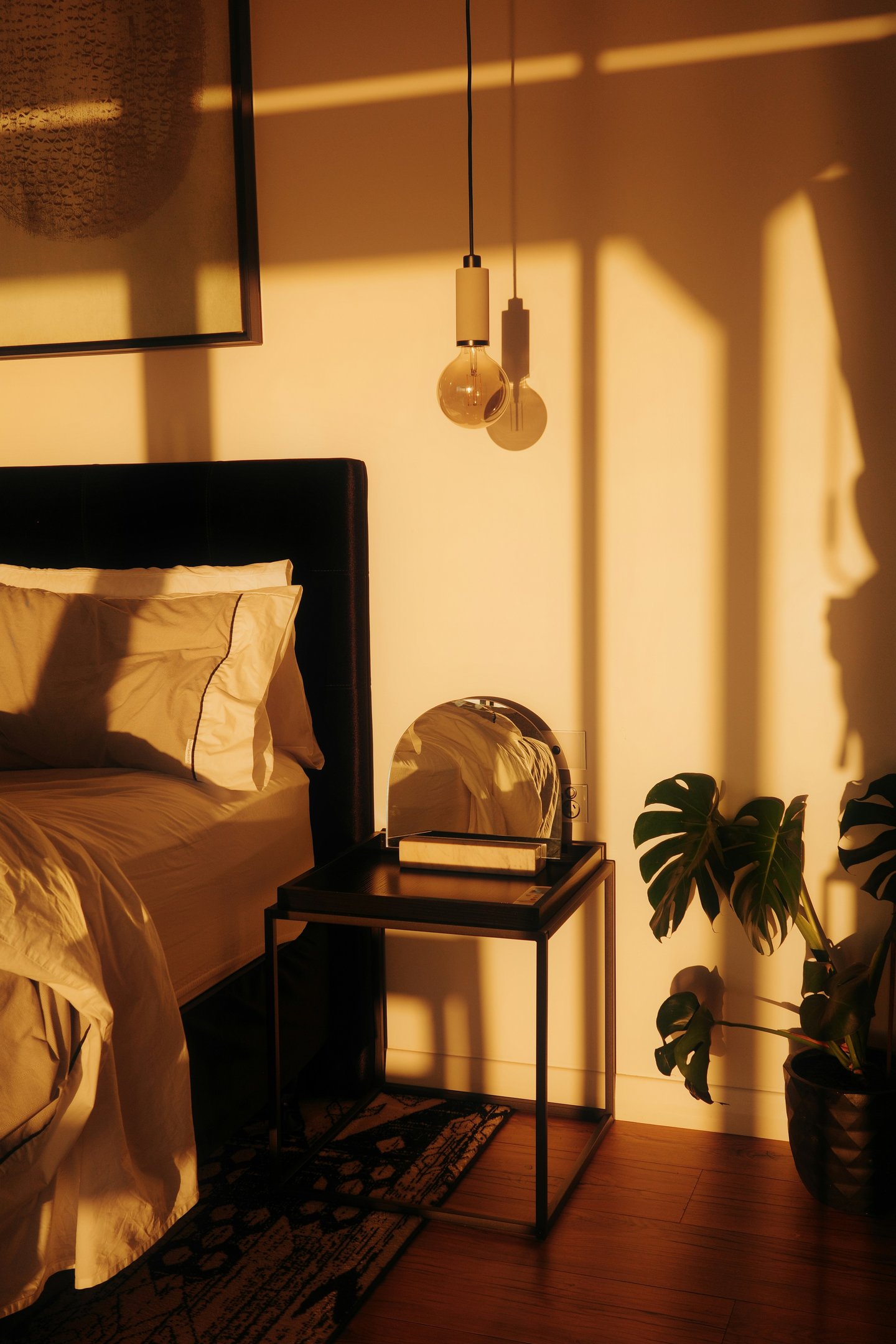
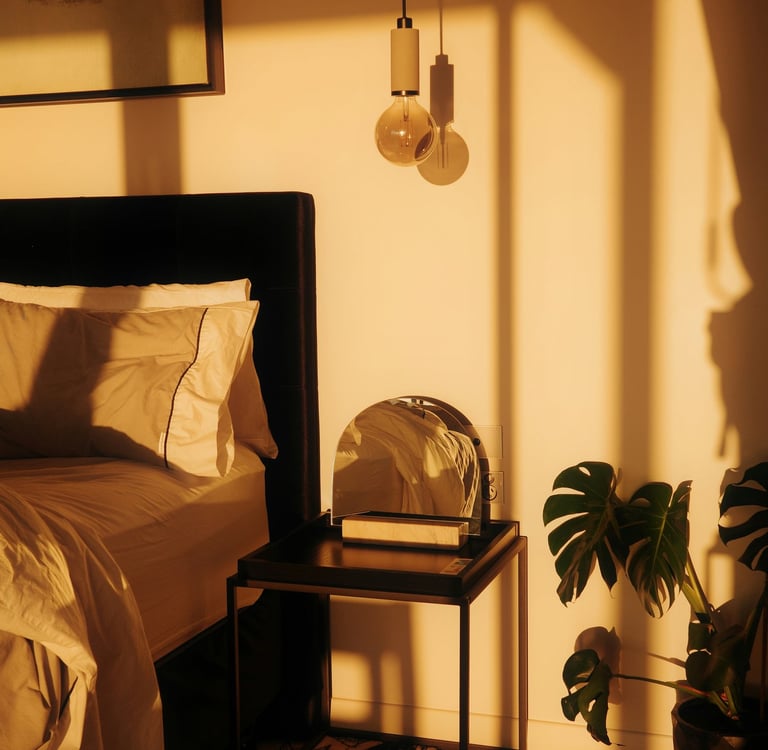
This post contains affiliate links. I may earn a small commission at no extra cost to you — and I only ever recommend products I genuinely believe in.
Your Bedroom Should Be Your Most Powerful Wellness Tool — Is It?
Let me paint you a picture. You've made it through a long, full, demanding day. You've shown up for everyone and everything on your list. And now, finally, it's time to sleep.
But here's what happens for so many of us: we get into bed, stare at the ceiling, scroll our phones for forty-five minutes, wake up twice in the night, and drag ourselves out of bed in the morning feeling like we need another six hours.
Sound familiar?
Here's what I've come to understand after going down a very deep rabbit hole on sleep science: the problem usually isn't you. It's your environment. Your bedroom — the one place that should be completely and entirely dedicated to rest — is probably working against you in ways you haven't even noticed yet.
The temperature might be slightly too warm. The light might not be dark enough. Your mattress might be quietly sabotaging your spinal alignment every single night. Your nervous system might be getting stress signals from clutter, blue light, and synthetic materials without you ever consciously registering it.
The good news? You can fix all of this. And you don't have to spend a fortune or gut your entire room to do it. In this post I'm sharing exactly what I changed in my own bedroom to go from broken, restless sleep to genuinely waking up feeling rested — including every product that made a real difference, from the splurge-worthy investments to the affordable swaps that surprised me the most.
This is the sleep sanctuary guide I wish I had when I started. Let's get into it.
Why Your Sleep Environment Matters More Than You Think
Before we get into the products, I want to take a minute to talk about the science — because once you understand why your environment affects your sleep so profoundly, every decision you make about your bedroom will start to make a lot more sense.
Sleep is not a passive state. Your body is doing an enormous amount of work while you sleep — consolidating memories, repairing tissues, regulating hormones, clearing metabolic waste from the brain, and resetting your immune system. For all of that to happen properly, your nervous system needs to feel completely safe, calm, and disengaged from the demands of waking life.
The problem is that your nervous system is extraordinarily sensitive to environmental cues — even ones you're not consciously aware of. A room that's too warm tells your body it's daytime. Blue light from screens suppresses melatonin production. Noise keeps your brain in a light, vigilant sleep stage rather than sinking into the deep, restorative phases where the real healing happens. Clutter has been shown in studies to raise cortisol levels — the stress hormone that is the enemy of sleep.
Your bedroom environment is either helping your nervous system downshift into rest, or it's keeping it subtly activated. There is no neutral. And the cumulative effect of poor sleep isn't just feeling tired — it shows up in your mood, your metabolism, your skin, your immune function, your stress tolerance, and your mental clarity in ways that are genuinely significant.
All of which is to say: creating a true sleep sanctuary isn't a luxury. It's one of the highest-return investments you can make in your overall health and wellbeing. Let's build one.
The Sleep Sanctuary Framework: Four Things That Actually Matter
Through a lot of research and personal experimentation, I've landed on four core elements that make the biggest difference to sleep quality. Everything I recommend falls into one of these categories:
Temperature — Your core body temperature needs to drop slightly to initiate and maintain sleep. The ideal sleep temperature is between 65–68°F (18–20°C). Most of us sleep too warm.
Darkness — Even small amounts of light can disrupt melatonin production and sleep quality. Your bedroom should be dark enough that you can't see your hand in front of your face.
Sound — Your brain continues processing sound even while you sleep, which means noise — even background noise you've "gotten used to" — keeps you in lighter sleep stages.
Comfort and support — The surface you sleep on directly affects your spinal alignment, pressure points, body temperature, and how deeply you're able to relax. This one is worth investing in.
Keep these four pillars in mind as you read — they're the framework for every recommendation I'm about to share.
The Products That Transformed My Sleep (Honest Reviews)
1. The Mattress: The Foundation Everything Else Is Built On
I put off investing in a quality mattress for years because the price tags felt outrageous. I slept on the same mattress I'd had since college and told myself it was fine.
It was not fine.
The moment I finally upgraded, I understood why sleep experts will tell you, without hesitation, that your mattress is the single most important investment you can make for your sleep. You spend a third of your life on this surface. It affects your temperature regulation, your spinal alignment, your pressure points, and how deeply you're able to sink into restorative sleep stages. Getting this right changes everything.
Recommended: Nectar Memory Foam Mattress
If you've been putting off upgrading your mattress because you're not sure it's worth the investment — the Nectar is the mattress that will change your mind. It's a premium memory foam mattress that has quietly become one of the most loved sleep purchases I've come across, and for good reason. The five-layer construction starts with a cooling cover designed to pull heat away from your body, moves through a quilted memory foam comfort layer that contours to every curve of your body, and finishes with a dense adaptive support core that keeps your spine in perfect alignment all night long.
What I love most about the Nectar is how it handles the two biggest complaints people have about memory foam — sleeping hot and feeling "stuck." The gel-infused memory foam layer actively draws heat away rather than trapping it, which is a game-changer if you've ever woken up sweaty on a traditional foam mattress. And the support layers beneath prevent that sinking, quicksand feeling that puts some people off memory foam entirely. You get the pressure-relieving hug of foam with enough responsiveness to move comfortably through the night.
The Nectar comes with a 365-night trial — a full year to decide if it's right for you — and a Forever Warranty that covers the mattress for as long as you own it. That level of confidence from a brand tells you everything you need to know about the quality behind the product. Free shipping and returns make the entire experience genuinely risk-free.
For the price point, the Nectar delivers a sleep experience that rivals mattresses costing two to three times as much. It's the kind of purchase you make once and wonder how you lived without it.
What to look for in any mattress: pressure relief at the shoulders and hips, temperature neutrality, spinal alignment support, and a trial period of at least 90 nights so your body has time to fully adjust.
2. The Pillow: Your Neck Will Thank You
Most people underestimate how much their pillow matters. A pillow that's too flat, too firm, too thick, or too warm keeps your neck out of alignment all night — which contributes to morning headaches, shoulder tension, and restless sleep.
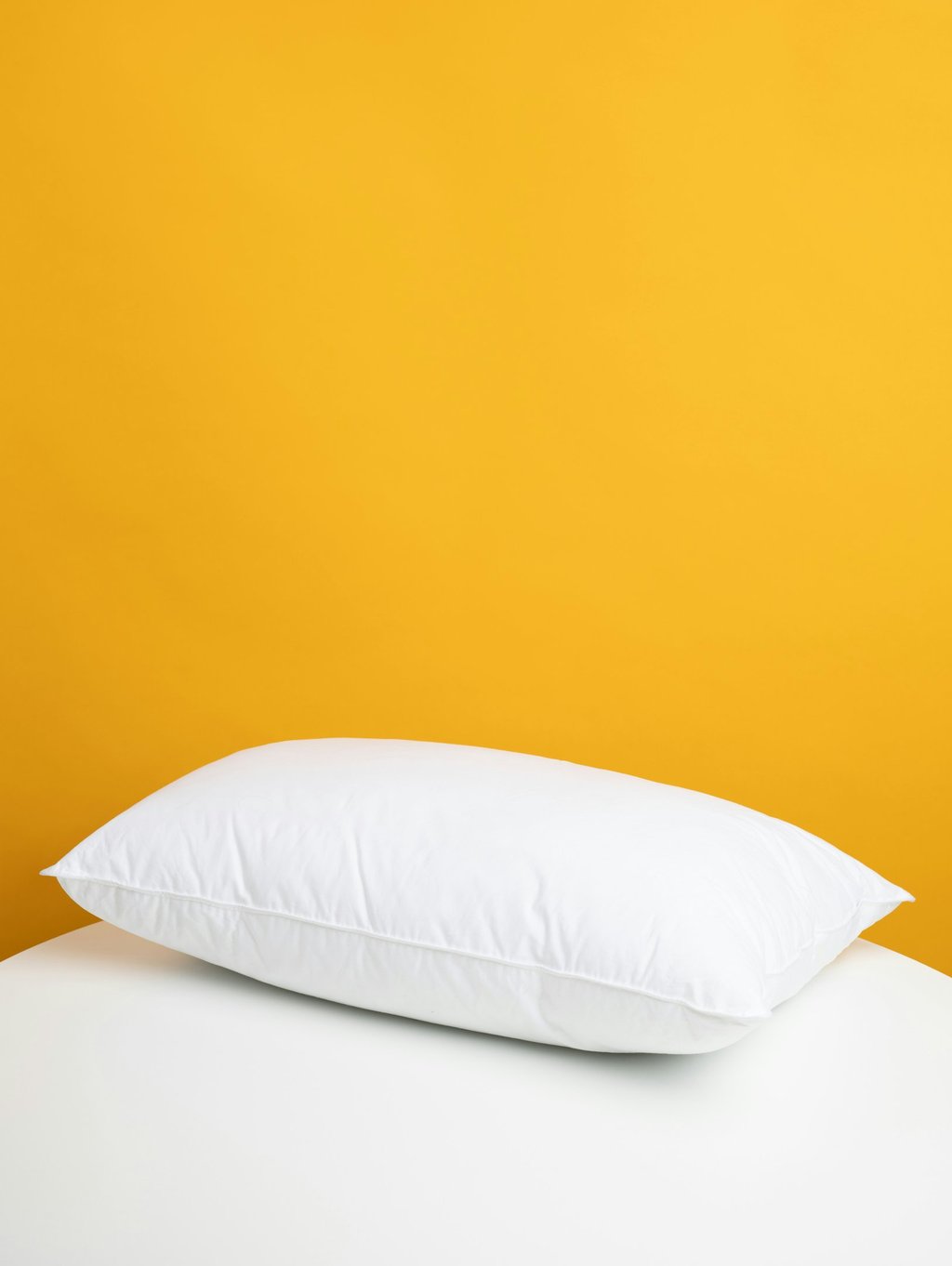
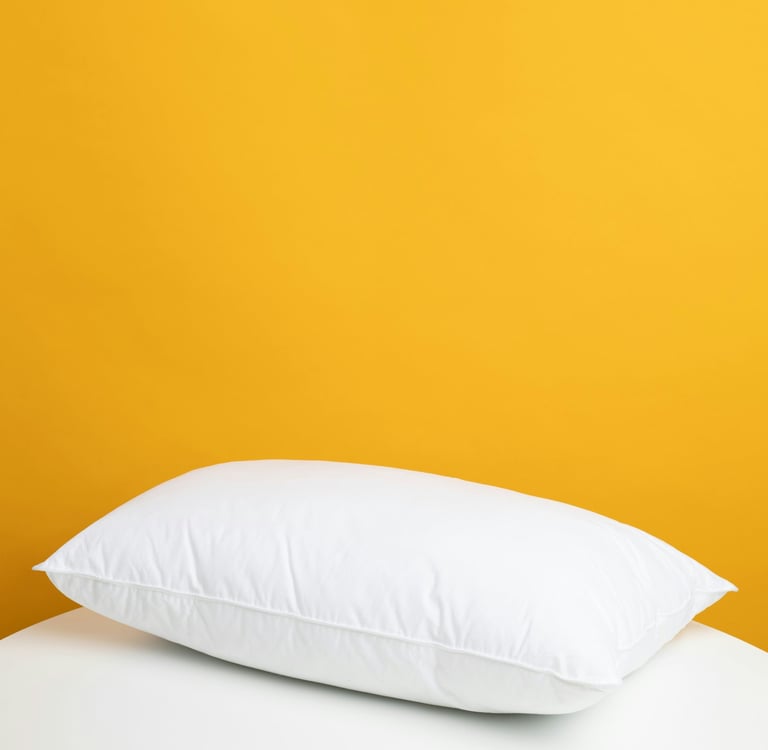
Recommended: Purple Harmony Pillow The Purple Harmony is unlike any pillow I've tried. It uses Purple's proprietary grid technology — the same pressure-relieving material in their mattresses — in a pillow that somehow manages to be both supportive and cool. If you sleep hot (and most people do without realizing it), this is a revelation. It doesn't flatten, it doesn't trap heat, and it holds its shape through the whole night. It's an investment, but one I genuinely haven't regretted.
Budget alternative: A good quality buckwheat pillow at around $60 is a surprisingly effective option — naturally cooling, adjustable, and supportive.
3. The Weighted Blanket: The Most Underrated Sleep Tool I've Found
If you haven't tried a weighted blanket, this might be the single most impactful swap you can make for under $150. Weighted blankets work through something called deep pressure stimulation — the gentle, distributed weight across your body activates your parasympathetic nervous system (the rest-and-digest system), reduces cortisol, and increases serotonin and melatonin. The effect is genuinely remarkable — like being held, gently, all night.
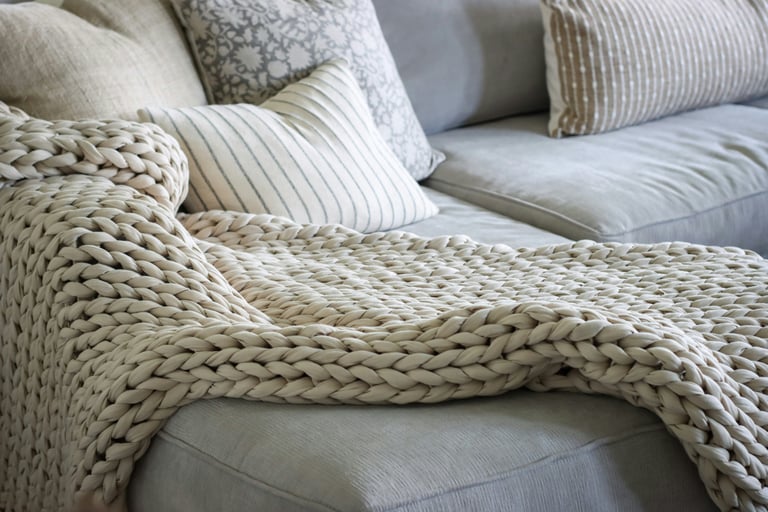
Recommended: Bearaby Cotton Napper The Bearaby Napper is the most beautiful weighted blanket on the market — it's hand-knit in a chunky open weave that looks stunning draped across a bed, breathes beautifully (crucial for temperature regulation), and uses organic cotton rather than synthetic materials. It comes in weights from 10 to 25 lbs — the general guideline is around 10% of your body weight. It's a splurge but it pulls double duty as a decor piece and a sleep tool.
Budget alternative: There are excellent weighted blankets on Amazon in the $50–$80 range — look for ones with glass bead filling rather than plastic pellets, which feel quieter and more evenly distributed.
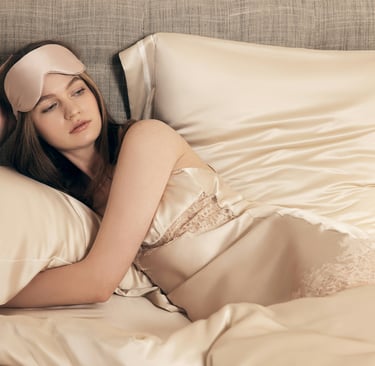
4. Silk Pillowcases: The Beauty Sleep Upgrade That's Actually Real
This one sits at the intersection of sleep and skincare and I am never going back. Silk pillowcases reduce friction against your skin and hair while you sleep — which means less sleep creasing, less hair breakage, and less moisture being pulled from your skin overnight. Cotton pillowcases are surprisingly rough on your face and hair at a microscopic level, and switching to silk is one of those changes you feel immediately.
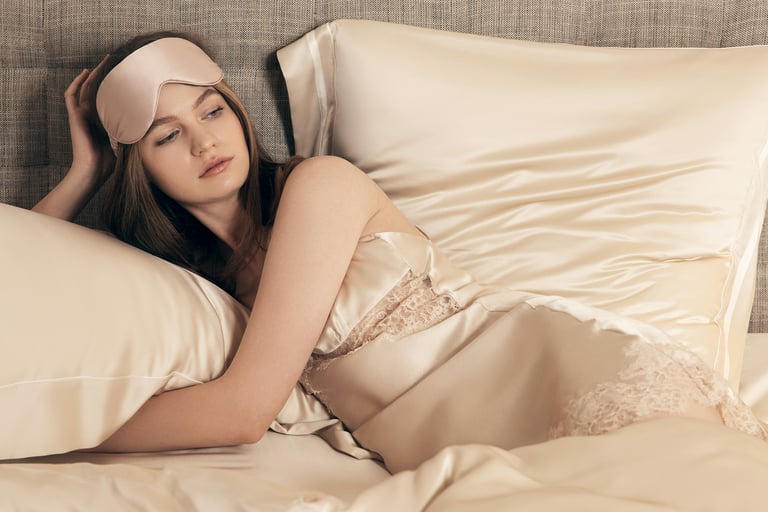
Recommended: Slip Silk Pillowcase Slip is the gold standard for silk pillowcases — 22 momme pure mulberry silk that genuinely delivers on every promise. My skin looks smoother in the morning, my hair has significantly less frizz and breakage, and the coolness of the silk against my face is one of those small sensory pleasures that genuinely improves the experience of going to sleep. Available in a huge range of colors to match any bedroom aesthetic.
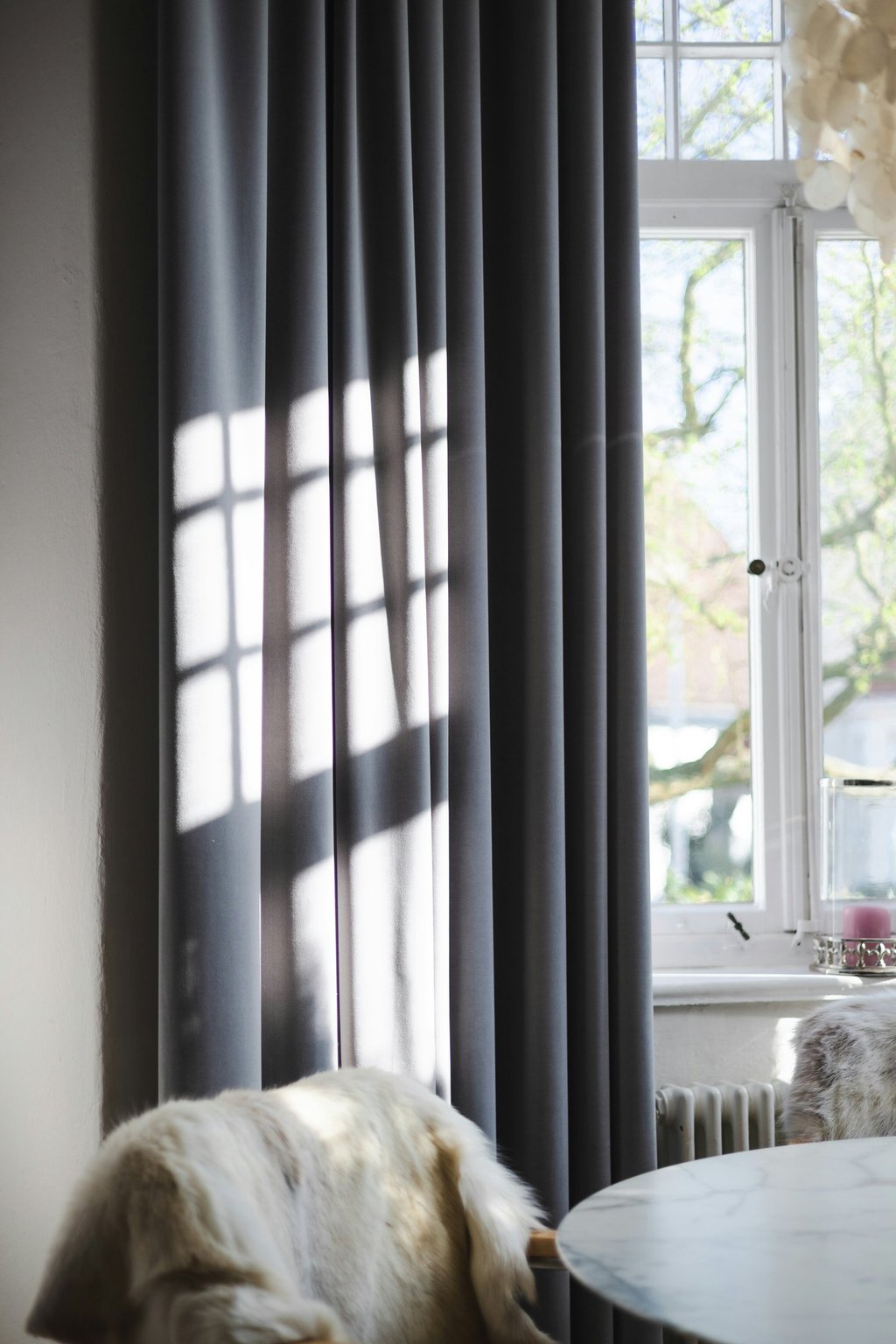
5. Blackout Curtains: Darkness Is Non-Negotiable
This was one of the cheapest changes I made with one of the most dramatic results. Even dim light — the glow of a streetlamp, the flicker of an electronic device, the early morning sun — suppresses melatonin and can pull you out of deep sleep without you ever fully waking up. You just sleep lighter. You just feel more tired.
True darkness is non-negotiable for quality sleep, and blackout curtains deliver it completely.
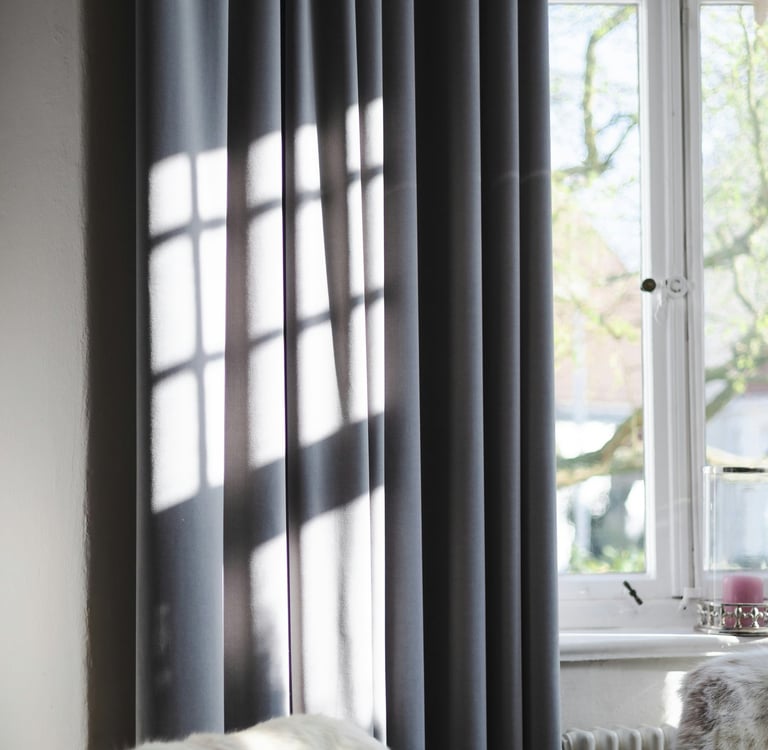
Recommended: NICETOWN Blackout Curtains NICETOWN makes genuinely effective blackout curtains at a price point that makes the upgrade completely accessible. They block 99% of light, reduce noise, help with temperature regulation, and come in dozens of colors including neutrals that look elevated and intentional. I have them in a warm cream and they add to the cozy aesthetic of the room while doing serious sleep science work behind the scenes.
Pro tip: pair blackout curtains with sheer linen panels in front for a layered look that's beautiful during the day and pitch-black at night.
6. A Sleep Mask: The Travel-Ready Backup
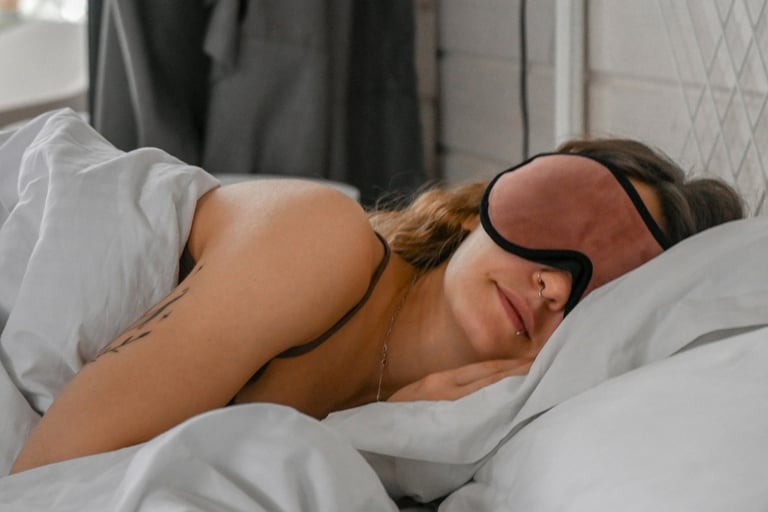
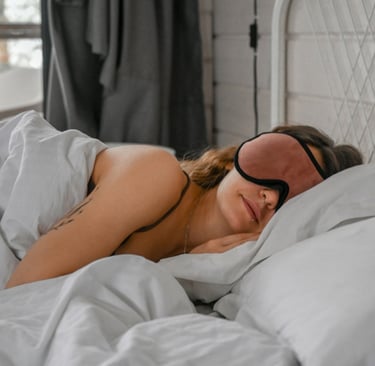
Even with blackout curtains, a sleep mask is worth keeping on your nightstand. For travel, for guest rooms with inadequate window coverage, or for those mornings when the sun rises before you're ready to — a good sleep mask is the difference between sleeping through to your alarm and being dragged awake an hour early by morning light.
Recommended: Manta Sleep Mask The Manta is the best sleep mask I've ever used. Unlike flat masks that press against your eyelids (which is both uncomfortable and creates pressure that can disturb your sleep), the Manta has contoured eye cups that sit completely clear of your eyes, creating total darkness without any contact. The adjustable strap means it fits any head size without slipping. Once you try a contoured mask you will never go back to a flat one.
7. Magnesium Supplement: The Sleep Mineral Most of Us Are Deficient In
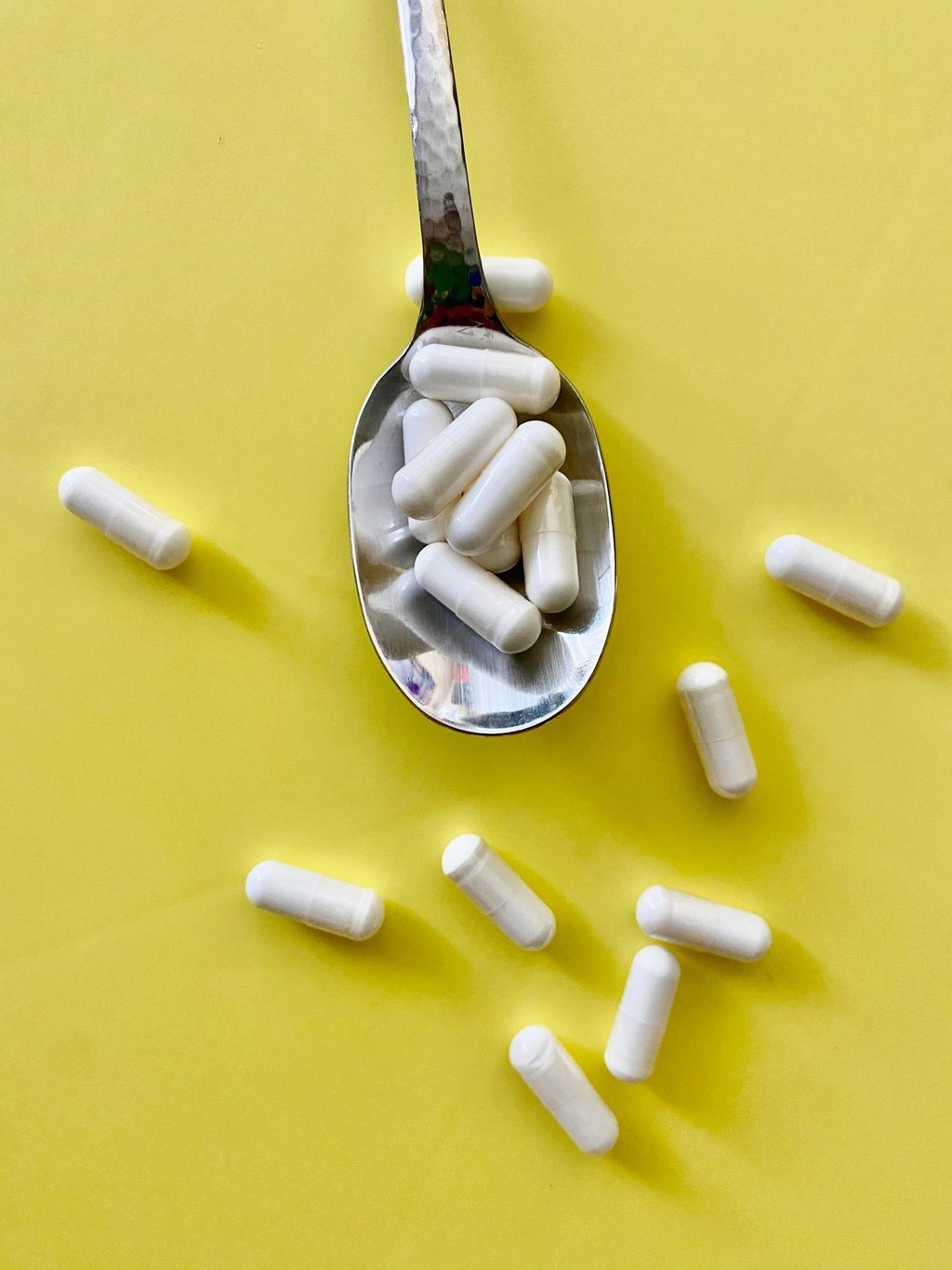
Here's something that surprised me: studies estimate that up to 75% of Americans don't get enough magnesium from diet alone — and magnesium plays a direct role in sleep regulation. It activates the parasympathetic nervous system, regulates melatonin, and helps relax muscles. Supplementing with it in the evening is one of the most consistently effective natural sleep interventions I've found.
Recommended: Magnesium Glycinate by Pure Encapsulations Magnesium glycinate is the most bioavailable and gentle form — it's less likely to cause the digestive upset that some forms of magnesium can trigger. Pure Encapsulations is a professional-grade supplement brand with rigorous third-party testing. I take 2 capsules about an hour before bed and the difference in how quickly I fall asleep and how deeply I sleep is genuinely noticeable.
Always consult your healthcare provider before adding supplements, especially if you take any medications.
8. A White Noise Machine: Silence Isn't Actually Optimal
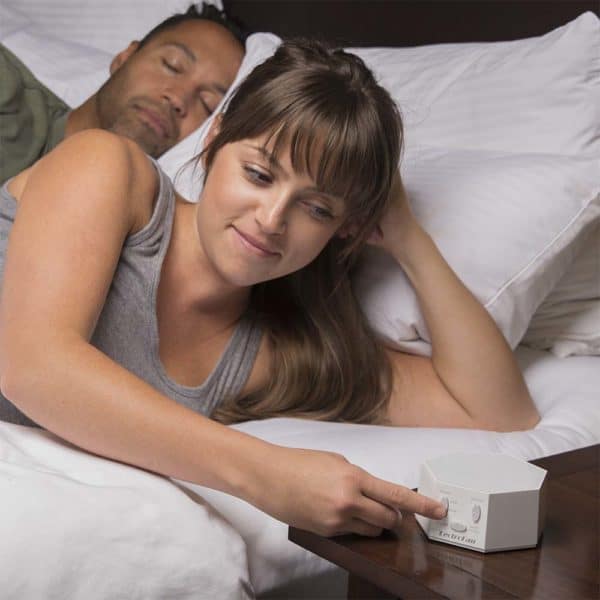
This one surprises people. Complete silence is actually not ideal for most sleepers — small sounds stand out more sharply against total quiet and are more likely to pull you into lighter sleep. A low-level, consistent sound masks those interruptions and keeps your brain from having to "check" every ambient noise for potential threat.
Recommended: LectroFan Classic White Noise Machine The LectroFan offers 20 different fan and white noise sounds in a compact, simple device that doesn't need a phone app or WiFi connection. I like white noise machines that aren't smart devices in the bedroom — fewer reasons to reach for a screen. The sound quality is excellent and the volume range is wide enough to mask city noise, a snoring partner, or early morning sounds.
9. Warm Lighting and a Dimmer Switch: Light Is Your Sleep's Biggest Enemy
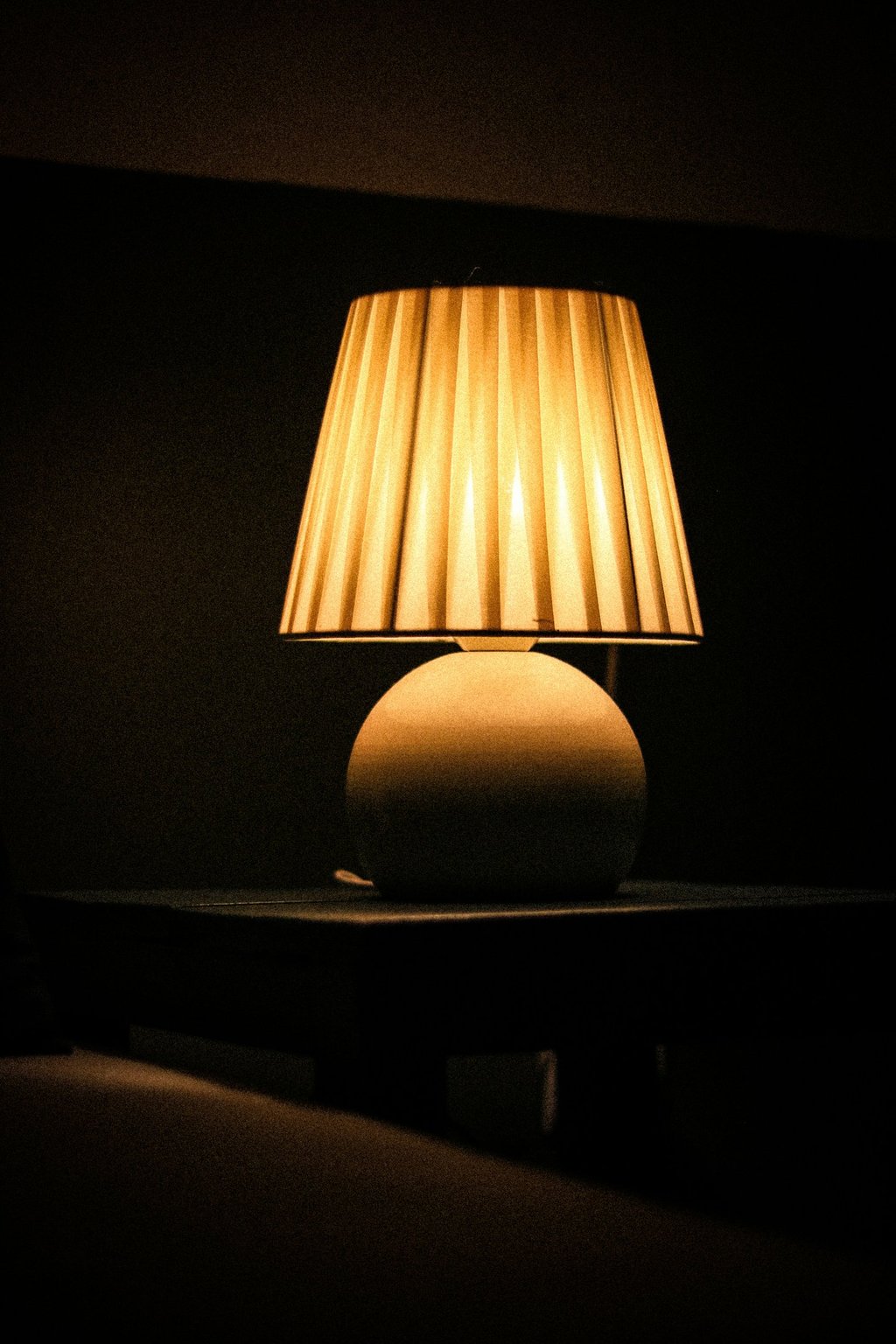
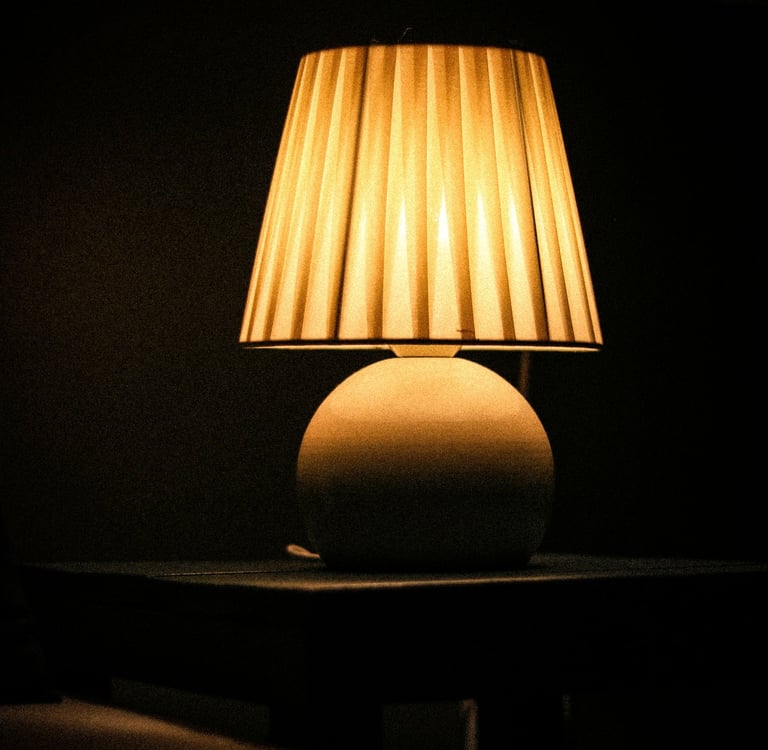
In the hours before bed, the type of light in your environment has a massive impact on melatonin production. Overhead bright white lighting signals your brain that it's midday and actively suppresses the melatonin your body needs to initiate sleep. Switching to warm, dim, low lighting in the evening is one of the most powerful — and most free — changes you can make.
Recommended: Philips Hue Smart Bulbs Philips Hue bulbs let you set automated schedules that shift your lighting from bright white during the day to warm amber in the evening automatically. You can set them to dim gradually starting two hours before your bedtime so your environment is gently priming your nervous system for sleep without you having to think about it. Combined with a simple plug-in dimmer for your bedside lamp, this creates exactly the warm, winding-down atmosphere your brain needs.
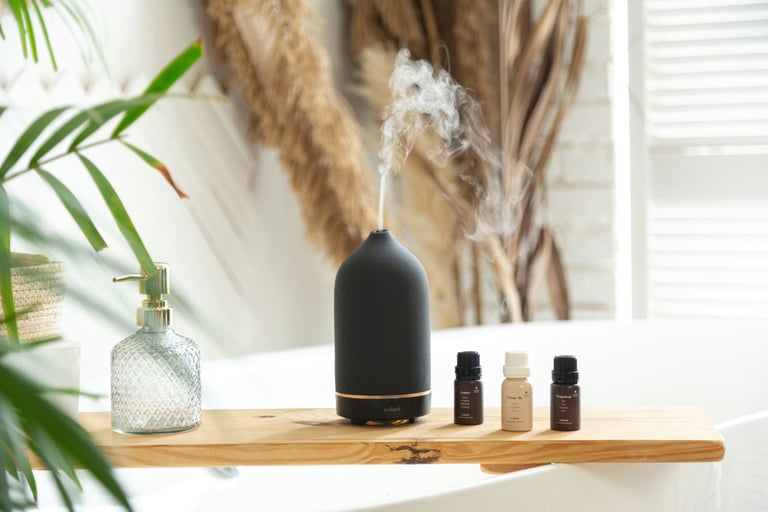
10. An Aromatherapy Diffuser with Lavender Oil: Scent as Sleep Signal
Your sense of smell is the only sense directly connected to the limbic system — the part of your brain that regulates emotion, memory, and the autonomic nervous system. This is why scent is one of the most powerful tools for creating a sleep environment that truly works at a neurological level, not just an aesthetic one.
Lavender in particular has been studied extensively for its sleep benefits — it reduces anxiety, lowers heart rate, and has been shown to increase slow-wave sleep (the deepest, most restorative phase) in multiple clinical studies.
Recommended: URPOWER Essential Oil Diffuser + Pure Lavender Essential Oil The URPOWER diffuser is quiet, beautiful, and runs on a timer so it shuts off automatically while you sleep. Pair it with a pure lavender essential oil (look for 100% pure therapeutic grade, not fragrance oil) and run it for the hour before bed as part of your wind-down ritual. The scent becomes a powerful sleep cue over time — your brain starts associating it with sleep and begins to downshift automatically when it detects it.
Building Your Wind-Down Ritual: Putting It All Together
Products matter, but rituals matter more. The most powerful thing you can do for your sleep is create a consistent sequence of behaviors in the hour before bed that signals to your nervous system that sleep is coming. Think of it like a runway — you're creating the conditions for sleep long before your head hits the pillow.
Here's a simple wind-down ritual to try:
9:00 PM — Lights go dim. Switch to warm lighting only. Put your phone on Do Not Disturb and place it face-down or in another room.
9:15 PM — Take your magnesium supplement. Start your diffuser with lavender oil.
9:30 PM — A warm shower or bath (the drop in body temperature after you get out actually accelerates sleep onset).
9:45 PM — Skincare routine with your silk pillowcase already on the pillow waiting for you. A few minutes of journaling or reading a physical book.
10:00 PM — Into bed. White noise on. Sleep mask on. Weighted blanket pulled up.
Done. That's your runway. Practice it consistently and within two to three weeks your body will start to feel genuinely sleepy as soon as the ritual begins — that's your nervous system learning the pattern and responding in advance.
You Deserve to Actually Rest
Sleep is not laziness. It's not wasted time. It is — without question — the most powerful health and wellness tool available to us, and it's completely free. The products I've shared here are simply the tools that help you access it more consistently and more deeply.
You don't have to implement everything at once. Pick one change — maybe the blackout curtains, maybe the magnesium, maybe finally getting a pillow that actually supports you — and start there. See how it shifts things. I promise that once you experience what genuinely restorative sleep feels like, you will become as obsessed with protecting it as I am.
Your body does extraordinary things while you sleep. Give it the environment to do its best work.
Which of these are you trying first? Come find me on Instagram and Pinterest and let me know — I love hearing about your sleep transformations.
Loved this post? Grab the free 7-Day Wellness Reset guide and start building the daily habits that support deep, restorative sleep from the inside out.
[Get the Free Guide →]
This post contains affiliate links. I may earn a small commission at no extra cost to you. I only recommend products I genuinely use and believe in. Thank you for supporting Lifestyle Unlocked.


Connect
Stay in touch for fresh lifestyle tips
Links
unlock@bylifestyleunlocked.com
© 2025. All rights reserved.