
How to Stimulate Your Vagus Nerve at Home: 8 Free Practices
Your body has a built-in calm button. Learn 8 free, gentle ways to stimulate your vagus nerve at home — no gadgets, no supplements, no 40-step routine.
HEALTHY LIVING
7/19/20266 min read

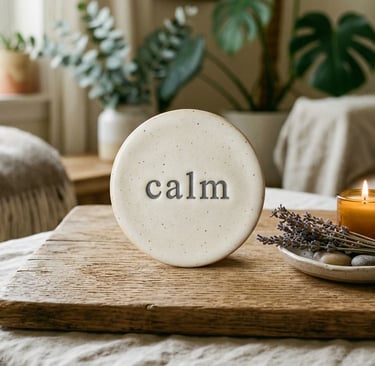
Here's a fun thing nobody tells you: your body came with a built-in calm button. It's been there the whole time — through every stressful meeting, every 2 a.m. worry spiral, every moment you white-knuckled your way through a hard week.
It's called the vagus nerve, and once you know how to work with it, "calming down" stops being a vague instruction people give you (unhelpfully, usually mid-meltdown) and becomes something you can actually do.
The best part? You don't need a single gadget, supplement, or subscription. Every practice in this post is free, gentle, and doable in your kitchen, your car, or your bed. Let's get into it.
(New to all of this? Start with my [beginner's guide to nervous system regulation] — it explains the big picture in plain language. This post is the hands-on follow-up.)
First: what is the vagus nerve, in normal-person words?
The vagus nerve is the longest nerve in your body — a wandering highway (vagus literally means "wandering" in Latin) that runs from your brainstem down through your throat, heart, lungs, and gut, connecting your brain to almost every major organ.
Its main job? It's the star player of your rest-and-digest system — the state where your heart slows, your digestion works properly, your shoulders drop away from your ears, and your body does its healing and repairing.
Think of it like a brake pedal. Your stress response is the gas: fast, automatic, great in emergencies. The vagus nerve is the brake: it's what lets you slow down, settle, and come back to yourself after the stressful thing has passed.
When people talk about "vagal tone," they just mean how responsive that brake is. And like most things in the body, it gets more responsive with gentle, regular use.
Why bother?
(The honest answer)
Because modern life leans on the gas pedal constantly — notifications, deadlines, group chats, a mental load that never fully clocks out. If you've been feeling wired but tired, snappy, or like your stomach has opinions about your stress levels, your brake pedal could probably use some love.
A quick honesty note, because I promised to treat you like a smart friend: vagus nerve content online can get a little... enthusiastic. These practices are wonderfully supportive tools for everyday stress — but they're not a cure for anxiety disorders, trauma, or medical conditions. If you're really struggling, these work best alongside proper support from a doctor or therapist, not instead of it. Okay? Okay. Onward.
8 free ways to stimulate your vagus nerve at home
You do not need to do all eight. Pick the one or two that make you think oh, I could actually do that — that instinct is usually right.
1. The long, slow exhale
If you learn one thing today, make it this: your exhale is directly wired to your calming system. When you breathe out slowly, your heart rate naturally dips, and your vagus nerve gets the message that you're safe.
The simplest version: breathe in through your nose for about 4 counts, then out — slow and unhurried — for 6 to 8 counts. Repeat for a minute or two. That's it. In traffic, before a hard conversation, standing at the stove. The exhale is the medicine; the counting is just there to keep you honest.
2. Humming (yes, really)
The vagus nerve runs right past your vocal cords, and the gentle vibration of humming stimulates it beautifully. This is my favorite one to recommend because it's impossible to take too seriously.
Hum along to a song in the car. Hum while you tidy the kitchen. If you want the slightly fancier version, try a long, low "voo" sound on your exhale — it sounds ridiculous and feels surprisingly good, like an internal massage. Singing in the shower counts. Singing badly counts double.
3. Cool water on your face
There's an old reflex wired into all of us (it's called the dive reflex) — when your face meets cool water, your heart rate slows automatically. Your body assumes you've dipped underwater and shifts into conservation mode, which happens to feel a lot like calm.
Splash cool water on your face, hold a cool washcloth over your cheeks and eyes for 30 seconds, or finish your shower with 15–30 seconds of cooler water. No ice baths required — this is a wellness blog, not a dare.
4. Gargling
Strange but true: gargling activates the muscles at the back of your throat, which are — you guessed it — vagus nerve territory. Gargle your water for 30 seconds or so when you brush your teeth, morning and night. It's the easiest habit stack on this list because it attaches to something you already do. Bonus: it's the one practice nobody will ever catch you doing.
5. Gentle pressure and warmth
Deep, steady pressure is one of the oldest safety signals your body knows — it's why babies calm when swaddled and why a hug from the right person can undo a whole day. Warmth works similarly.
Try: a heavy blanket while you read, a warm bath in the evening, a hand resting flat on your chest or belly while you take a few slow breaths. That last one sounds too simple to work. Try it anyway — there's something about your own warm hand saying I've got you that lands.
6. A slow walk (leave the podcast at home)
Gentle, rhythmic movement helps your body use up stress hormones and shift back toward rest mode — and doing it without input gives your brain a rare chance to just... wander. Ten or fifteen minutes around the block, noticing actual things: the neighbor's garden, the sky doing something nice. Walking meditation without calling it that, because we don't need the pressure.
7. Laughing (schedule it if you have to)
Real laughter — the kind that makes your stomach hurt — involves deep breathing, vocal vibration, and social connection all at once, which is basically a vagus nerve party. This is your official permission to count the 40-minute phone call with your funniest friend, the comfort sitcom rewatch, or the video of the cat falling off the counter as legitimate nervous system care. Because it is.
8. A screen-free wind-down pocket
Your vagus nerve does some of its best work while you sleep — but it needs a runway. Twenty screen-free minutes before bed, lights dimmed, doing something quiet with your hands (stretching, journaling, staring lovingly at your bookshelf) tells your body the day is genuinely over.
If you want to build this into a full ritual, I've written a whole post on [creating a calming evening ritual] — it pairs perfectly with everything here.
How to actually make this stick
Here's the secret nobody puts in the headline: consistency beats intensity, every single time. One minute of slow exhales daily will do more for your vagal tone than an elaborate hour-long protocol you do twice and abandon.
My honest suggestion:
Pick ONE practice (the one that made you go "oh, easy")
Attach it to something you already do — gargle when you brush your teeth, hum on your commute, long exhales while the kettle boils
Do it imperfectly for two weeks before deciding anything
You're not trying to hack your body. You're building a quiet little friendship with it — showing up, briefly and kindly, every day. That's the whole thing.
When to see a doctor
A gentle but important note: if you're dealing with persistent anxiety, panic attacks, chronic fatigue, ongoing digestive issues, heart palpitations, or dizziness, please check in with a healthcare provider. These practices are lovely supports, but some symptoms deserve real medical eyes on them — and getting checked out is one of the most caring things you can do for your nervous system.
Start with the exhale
If you close this tab and remember nothing else: breathe out longer than you breathe in, a few times, once a day. Your built-in calm button has been waiting patiently this whole time. It doesn't need you to be perfect — it just needs you to press it now and then.
This post is for informational purposes only and isn't medical advice. Always talk to your healthcare provider about what's right for your body — especially if you have a heart condition, are pregnant, or are managing a diagnosed health condition.
















Connect
Stay in touch for fresh lifestyle tips
Links
unlock@bylifestyleunlocked.com
© 2025. All rights reserved.