
Tech-Free Sleep: 7 Analog Essentials for Better Rest
Ready to break up with your phone at bedtime? These 7 analog sleep essentials make a screen-free bedroom feel like a retreat — not a punishment.
SLEEP ROUTINE
7/16/20267 min read
Tech-Free Sleep: 7 Analog Sleep Essentials for a Screen-Free Bedroom
This post contains affiliate links, which means I may earn a small commission if you purchase through them — at no extra cost to you. I only recommend things I'd genuinely keep on my own nightstand.
Be honest: what's the last thing you look at before you fall asleep, and the first thing you reach for when you wake?
If the answer is your phone, you're not weak-willed — you're normal. The average bedroom has quietly become a screening room, an office, and a notification center that happens to contain a bed. And then we wonder why sleep feels thin. Why we're tired but wired at midnight, scrolling something we won't remember in the morning.
Here's the gentle truth this post is built on: good sleep hygiene isn't about more sleep technology. It's usually about less. The trackers, the sleep-score apps, the phone "just for the alarm" — they keep the most stimulating object you own six inches from your resting head. In 2026, the loveliest thing happening in the sleep world is a quiet return to analog: real alarm clocks, paper books, sound machines with actual buttons. Rest that doesn't need to be charged, scored, or optimized.
This isn't a punishment or a 30-day challenge. It's a room redesign — swapping each job your phone currently does for a softer, screen-free object that does it better. Seven swaps, one calm bedroom. Let's make it somewhere your nervous system actually wants to be.
First, the Only Rule: The Phone Sleeps Somewhere Else
Every essential on this list exists to make one change possible: your phone charges outside the bedroom — the kitchen counter, the hallway, anywhere with a door between you and it.
If that sentence made your chest tighten a little, that's worth noticing. Most of us keep the phone close for reasons that sound practical (the alarm, emergencies, "white noise") but feel like tether. The list below un-ties each of those knots, one by one. Once every job the phone does in your bedroom has been rehomed, letting it sleep elsewhere stops feeling like deprivation and starts feeling like exhaling.
The 7 Analog Sleep Essentials
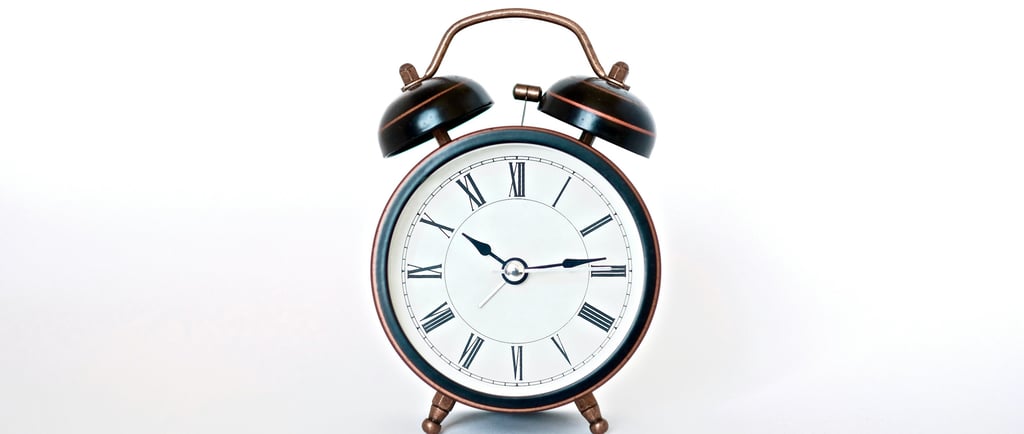
1. An Analog or Sunrise Alarm Clock
This is the swap that unlocks everything, because "but it's my alarm" is the reason most phones get bedroom privileges. A simple analog alarm clock does the one job beautifully — no feed attached, no 2am glow, nothing to check. If you're a groggy riser, a sunrise alarm clock is the gentler upgrade: it wakes you with slowly brightening warm light that mimics dawn, so mornings begin with light instead of sound and cortisol rises the way it's designed to — softly, on schedule.
Choose one with a dimmable or dark display. A clock you can read from space is just a different kind of screen.
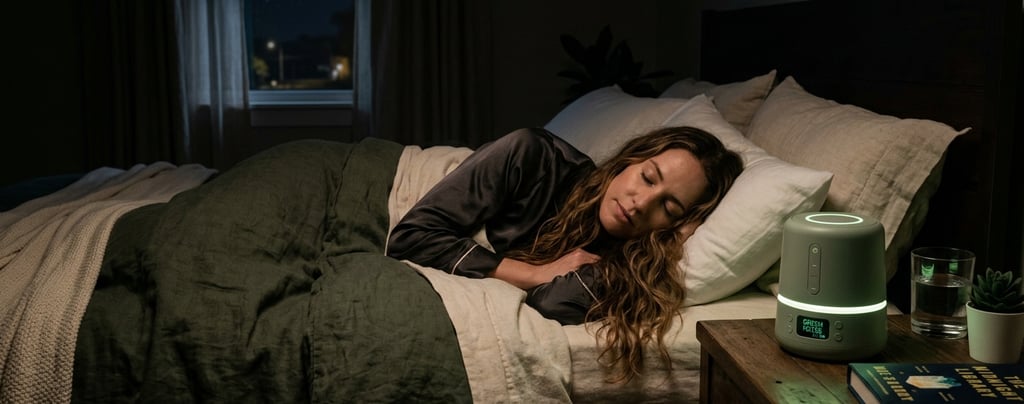
2. A Green Noise Machine
If you currently fall asleep to a phone app playing rain sounds, this is its analog replacement. A standalone sound machine sits on the dresser, has real buttons, and asks nothing of you.
And if you haven't met green noise yet — it's white noise's softer cousin, weighted toward the lower, natural end of the sound spectrum. Less static, more steady river. Fall asleep to soothing sounds with this Hotmoon sound machine. It's great for a good night's sleep. Many people who find white noise harsh find green noise almost tender, like the room itself is humming you down. Look for a machine with green noise, rain, and a simple fade-out timer, and let it mask the hallway creaks and street sounds that startle a settling nervous system.
3. Breathable Linen or Cooling Sheets
No object in your bedroom touches you for more hours than your sheets, and temperature is one of the most underrated pieces of sleep hygiene. Your body needs to drop in temperature to fall and stay asleep — which is why you kick the covers off at 2am, and why sleeping hot fragments rest even when you don't fully wake.
Washed linen sheets are the slow-living classic: breathable, temperature-regulating, and somehow softer every year you own them. If you run genuinely warm (or share a bed with someone who does), cooling bamboo or percale sheets do the same quiet work with a cooler hand-feel. Cream, oat, sage — let the bed itself become part of the calm.
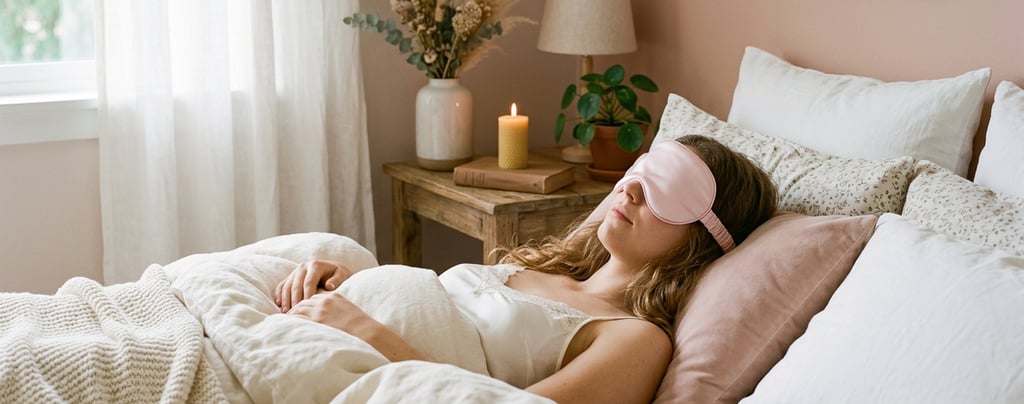
4. A Silk Sleep Mask
Total darkness is a sleep signal your body has understood for a few hundred thousand years — and modern bedrooms almost never provide it. Streetlights, standby lights, the hallway glow under the door: each one is a tiny "not yet" to your melatonin.
A silk sleep mask is the smallest, softest fix on this list. Silk is kind to skin and lashes, doesn't tug or sweat like polyester, and creates the kind of darkness blackout curtains promise but rarely fully deliver. It's also the one essential that travels — same darkness, any bed. If a mask isn't your thing, blackout curtains are the room-sized version of the same idea.
5. A Paper Book and a Warm Book Light
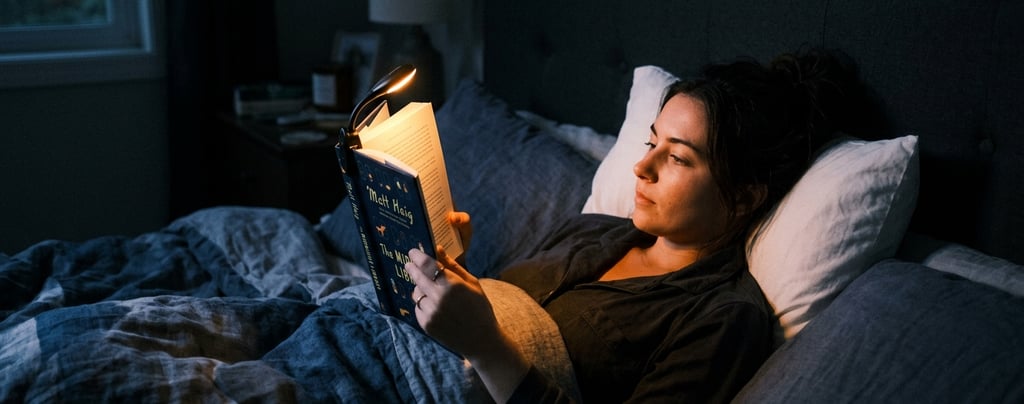
The scroll needs a replacement, not just a removal — your mind still wants somewhere gentle to go in the last twenty minutes of the day. A paper book is the original wind-down technology: it engages you just enough to crowd out the day's mental laps, then politely gets heavy in your hands when it's time.
Keep the stack physical and the light warm. A small amber book light that clips to the page gives you enough glow to read by without lighting up the room or your brain — warm light being the whole point, since it doesn't send the "it's daytime" signal that blue-lit screens do. Choose fiction, poetry, essays — anything with no takeaway and no action items. This is the one part of your day that's allowed to be useless, in the best way.
6. Magnesium Spray or Lotion
The ritual essential. Magnesium spray or a magnesium body lotion massaged into your feet, calves, or shoulders is a lovely two-in-one: magnesium is the mineral most associated with evening calm and settled muscles, and the thirty seconds of slow, deliberate touch is a physical cue — the kind your body learns to recognize as sleep is next.
If sprays tingle on your skin (some do at first), the lotion version is gentler. And if you already take magnesium glycinate as part of your evening routine, the topical version simply layers into the ritual. As always with anything supplement-adjacent: check with your doctor first — and know that this supports the routine, it doesn't replace it.
7. A Real Journal on the Nightstand
The final job your phone has been doing: holding your thoughts. The 11pm "don't let me forget," the tomorrow list, the worry that circles. When those have nowhere to land, your mind stays on duty all night.
A linen-cover journal and a pen that lives on the nightstand gives every late thought a place to go that isn't a lit screen. Two minutes, no structure, no prompts — just empty the pockets of the day. If you read the cortisol-lowering evening routine, you already know this practice as the brain dump; here it doubles as your defense against the "I'll just quickly note this on my phone" trap, which we all know is never quick and never just a note.
What a Screen-Free Bedroom Actually Feels Like
The first two or three nights are the strange part — you'll reach for a phone that isn't there, and the room will feel unusually quiet. That's not a sign it isn't working. That's the sound of a nervous system recalibrating.
Most people notice the shift within a week or two: falling asleep faster because there's no feed extending "five more minutes" into forty. Fewer 3am check-ins, because the thing you'd check isn't within reach. Mornings that begin with light and stretch instead of headlines and other people's lives. Sleep stops being something you monitor and goes back to being something you simply do — which, gently, was always the goal.
You don't need all seven essentials by Friday. Start with the alarm clock — it's the key that unlocks the door — and let the rest arrive as the room slowly becomes yours again.
Want to see how the analog bedroom pairs with a soft evening wind-down? The cortisol-lowering evening routine is the 90 minutes that comes before this room, and my 5 nighttime sleep essentials covers the cozy layer on top.
FAQ
What is a screen-free bedroom? A screen-free bedroom is simply a bedroom where phones, tablets, TVs, and laptops don't live — each screen's job (alarm, sounds, notes, entertainment) is replaced by an analog alternative like a real alarm clock, a sound machine, a journal, and a paper book. The goal isn't restriction; it's making the bedroom a place your body associates only with rest.
Does sleeping away from your phone really improve sleep? For most people, noticeably — not because of anything mysterious, but because the phone is both a stimulant (light, notifications, endless content) and a temptation within arm's reach. Removing it shortens the wind-down scroll, prevents middle-of-the-night checking, and lets your wake-up start calm instead of connected.
What is green noise and is it better than white noise for sleep? Green noise is a softer, deeper-toned cousin of white noise — think steady river rather than TV static. Neither is objectively "better"; green noise simply feels gentler to many people, especially those who find white noise sharp. The best sleep sound is whichever one your body relaxes into.






Connect
Stay in touch for fresh lifestyle tips
Links
unlock@bylifestyleunlocked.com
© 2025. All rights reserved.